
Singapore Clinic Interior Designer: Design Affects Patient Trust
A visit to a clinic is often accompanied by a sense of anxiety and vulnerability. In these moments, every detail of the environment contributes to a patient’s overall experience and, more importantly, their perception of the care they are about to receive. Long before a patient meets their doctor, the clinic’s interior design has already begun a silent dialogue, shaping their feelings of safety, comfort, and trust. For healthcare providers, understanding this connection is crucial, and partnering with a skilled Singapore Clinic Interior Designer is no longer a luxury but a strategic necessity. The design of a clinical space is a powerful non-verbal communicator that can either reinforce a sense of professionalism and empathy or create an atmosphere of unease and doubt.
The power of a well-designed space in a healthcare setting cannot be overstated. It goes beyond mere aesthetics; it is about creating a therapeutic environment that actively supports the healing process. A professional Singapore Clinic Interior Designer understands that the layout, color palette, lighting, and even the texture of the furniture can collectively influence a patient’s psychological state. This article will explore the critical design elements that impact patient trust and confidence, highlighting how thoughtful interior design can transform a clinical space into a sanctuary of care and professionalism.
The Psychology of Space: How a Singapore Clinic Interior Designer Shapes Perception
First impressions are deeply ingrained and hard to change. For a clinic, the first impression begins the moment a patient walks through the door. A cramped, poorly lit, or chaotic waiting area can subconsciously signal disorganization and a lack of attention to detail, leading patients to question the quality of medical care they will receive. A specialized Singapore Clinic Interior Designer leverages principles of environmental psychology to counteract this.
Creating a Sense of Welcome and Order
The layout of a clinic is the foundation of patient experience. A clear, intuitive flow is essential. Patients should be able to easily find the reception desk, waiting area, and consultation rooms without feeling lost or confused. An effective layout designed by a Singapore Clinic Interior Designer accomplishes several things:
- Reduces Stress: A logical floor plan minimizes patient anxiety by making the journey through the clinic seamless and predictable.
- Ensures Privacy: Strategic placement of consultation rooms, private waiting nooks, and sound-absorbing materials ensures confidentiality. When patients feel their privacy is respected from the moment they arrive, their trust in the practice deepens.
- Projects Professionalism: An organized, uncluttered space communicates competence and efficiency. It tells the patient that the clinic is well-managed, which translates to a belief that their medical care will be equally meticulous.
The Impact of Biophilic Design
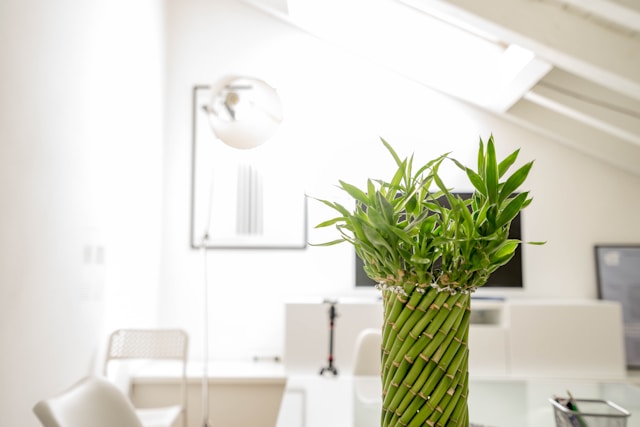
Biophilic design is the practice of connecting people and nature within built environments. For a Singapore Clinic Interior Designer, this is a powerful tool for fostering a healing atmosphere. Incorporating natural elements like indoor plants, natural materials like wood and stone, and views of greenery has been shown to reduce stress, lower blood pressure, and improve mood. A clinic that feels connected to nature feels less sterile and more human, instantly making patients feel more at ease.
Lighting and Color: The Unspoken Language a Singapore Clinic Interior Designer Uses
Lighting and color are two of the most influential elements in interior design, capable of altering mood and perception dramatically. In a clinical setting, their application is a delicate science that a professional Singapore Clinic Interior Designer must master.
The Role of Lighting in Building Trust
Harsh, fluorescent lighting is synonymous with cold, impersonal institutions. It can create glare, cause headaches, and heighten feelings of anxiety. A thoughtful lighting scheme, on the other hand, can create a warm and reassuring environment.
- Natural Light: Maximizing natural light is a key strategy. Large windows not only connect the interior to the outdoors but also provide a dynamic quality of light that is psychologically comforting.
- Layered Lighting: A skilled Singapore Clinic Interior Designer uses a layered approach. This includes soft ambient lighting for the overall space, task lighting for reception desks and reading areas, and gentle accent lighting to highlight artwork or architectural features. Dimmable controls allow the atmosphere to be adjusted throughout the day, creating a softer ambiance during less busy hours.
- Color Temperature: The “warmth” or “coolness” of artificial light (its color temperature) is critical. Warmer tones (yellowish hues) are generally more calming and suitable for waiting areas, while cooler, brighter light (bluish-white) is better for clinical areas where clear visibility is paramount.
Strategic Use of Color Palettes
Color has a profound psychological impact. While sterile white was once the standard for clinics to convey cleanliness, modern design understands that it can also feel cold and intimidating. A sophisticated Singapore Clinic Interior Designer will employ a more nuanced color strategy.
- Calming Hues: Soft blues, gentle greens, and warm neutral tones are known for their calming properties. These colors evoke feelings of tranquility and nature, helping to reduce patient anxiety.
- Accents for Warmth: A purely neutral palette can feel bland. Incorporating accent colors through artwork, furniture, or a feature wall can add personality and warmth without being overstimulating.
- Brand Alignment: The color scheme should also align with the clinic’s brand identity, reinforcing a consistent and professional image that patients can recognize and trust.
Furniture and Materials: The Tactile Dimension of Trust
The furniture and materials within a clinic are the elements that patients interact with most directly. Their quality, comfort, and cleanliness are tangible indicators of the clinic’s commitment to patient well-being. This is a key focus area for any experienced Singapore Clinic Interior Designer.
Comfort and Ergonomics in Waiting Areas
The waiting experience is a critical part of the patient journey. Uncomfortable, hard plastic chairs arranged in rigid rows create a tense and impersonal atmosphere. A Singapore Clinic Interior Designer focuses on creating a “lounge-like” feel.
- Comfortable Seating: Providing a variety of seating options—such as comfortable armchairs, sofas, and benches—caters to different patient needs and preferences.
- Thoughtful Arrangement: Arranging furniture in smaller, more intimate clusters allows for a greater sense of personal space and privacy. This helps reduce the feeling of being “on display” while waiting.
- Durable and Cleanable Materials: The choice of upholstery is vital. High-quality, non-porous, and easily cleanable fabrics are essential for hygiene. However, they should also be aesthetically pleasing and comfortable to the touch. The use of antimicrobial materials further demonstrates a commitment to patient health and safety.
Communicating Quality Through Furnishings
The quality of the furniture and fixtures speaks volumes. A flimsy reception desk or worn-out chairs can project an image of a struggling or careless practice. Conversely, well-made, sturdy, and well-maintained furnishings communicate stability, success, and a dedication to quality in all aspects of the operation. A Singapore Clinic Interior Designer helps select pieces that balance durability, hygiene, and aesthetic appeal, ensuring that every tactile interaction reinforces the patient’s trust.
Building Confidence Through Professionalism and Branding
Ultimately, patient trust is built on the perception of professionalism. The clinic’s interior design is a powerful tool for projecting this image consistently at every touchpoint.
Integrating Technology Seamlessly
Modern clinics rely on technology, from digital check-in kiosks to patient information screens. A skilled Singapore Clinic Interior Designer ensures this technology is integrated seamlessly into the design rather than appearing as an afterthought. Hidden cabling, custom-built cabinetry for equipment, and thoughtfully placed screens contribute to a clean, organized, and technologically advanced image, boosting patient confidence in the clinic’s capabilities.
Consistent Branding by Your Singapore Clinic Interior Designer
The physical environment should be a three-dimensional representation of the clinic’s brand. The logo, brand colors, and mission statement can be subtly incorporated into the design through signage, artwork, and color accents. This cohesive branding creates a strong, memorable identity that patients associate with professionalism and quality care. A Singapore Clinic Interior Designer works to ensure this brand story is told consistently throughout the space, reinforcing the clinic’s values and promise to its patients.
Conclusion
The interior design of a clinic is far more than a decorative choice; it is a fundamental component of the patient care experience. It is the first handshake, the first reassuring voice, and the first piece of evidence a patient uses to decide whether they can place their trust in a healthcare provider. A space that is chaotic, cold, or uncomfortable breeds anxiety and doubt. A space that is orderly, warm, and thoughtfully designed fosters a sense of security and confidence.
For healthcare providers in Singapore, investing in a professional Singapore Clinic Interior Designer is an investment in patient trust. By carefully considering the layout, lighting, colors, and materials, a clinic can create a therapeutic environment that not only welcomes patients but also actively communicates a commitment to empathy, professionalism, and excellence in care. In the competitive healthcare landscape, the trust that is built through exceptional design can be the very foundation of a thriving and respected practice.