
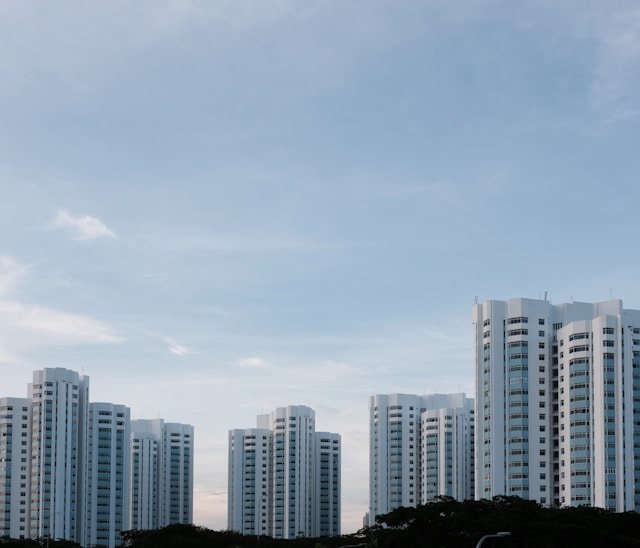
Profit Trends in Singapore’s HDB Resale Market: A Guide for Sellers
Public housing in Singapore provides more than just a comfortable place to live. For many families, an HDB flat is their most significant financial asset. The resale market constantly shifts, driven by housing supply, government policies, and changing buyer preferences. If you plan to sell your home, understanding current profit trends is the first step toward a successful transaction. Knowing how flat age, location, and market demand affect property values helps you secure the best possible return. For homeowners seeking reliable data and market clarity, allabouthdb.sg serves as a vital resource to navigate these complex dynamics.
This guide breaks down the major factors shaping profit trends in the HDB resale market today. We will look at how resale gains are generated, why certain locations command higher premiums, and how you can evaluate your selling opportunities effectively.
Understanding Resale Gains and Pricing Movement
The HDB resale market has experienced robust pricing movement over the last few years. Many flat owners find themselves sitting on substantial paper profits, especially those who purchased Build-To-Order (BTO) flats directly from the government. Because BTO flats are sold at subsidized rates, owners who sell them on the open market after the five-year Minimum Occupation Period (MOP) often enjoy significant capital appreciation.
However, resale gains are not guaranteed to rise endlessly. Pricing movement happens in cycles. Economic conditions, inflation, and government cooling measures all play a role in stabilizing prices. Recently, we see buyers becoming more cautious with their budgets due to higher borrowing costs. This means sellers must set realistic asking prices. Understanding the broader pricing movement in your specific town ensures you do not overprice your unit, which can cause it to sit on the market for months.
Location Effects: Mature vs. Non-Mature Estates
Location remains the strongest predictor of property value. In Singapore, the traditional divide between mature and non-mature estates continues to influence profit margins, though the lines are slowly blurring.
Mature estates like Bishan, Ang Mo Kio, and Queenstown consistently command high prices. These towns offer established amenities, reputable schools, and excellent transport connectivity. Because the government rarely launches large numbers of new BTO flats in these central locations, the limited supply naturally drives up resale prices. Sellers in mature estates often see steady, reliable profit margins.
On the other hand, non-mature estates like Punggol, Sengkang, and Tengah are catching up rapidly. As the government expands the MRT network and builds new shopping malls in these areas, buyer demand increases. Sellers in non-mature estates often experience sharper, more rapid pricing movement as their neighborhoods develop and infrastructure matures.
Tracking Location Effects with allabouthdb.sg
Navigating these geographic differences requires accurate information. Buyers are willing to pay premiums for convenience, but those premiums vary from street to street. By exploring market insights on allabouthdb.sg, sellers can track how their specific neighborhood performs compared to the national average. This data helps you understand whether your location is currently experiencing a surge in demand, allowing you to time your sale perfectly.
The Impact of Flat Age and Lease Decay
Profit trends are deeply tied to the age of the property. In Singapore, HDB flats are sold on 99-year leases. As the lease counts down, the value of the flat eventually begins to depreciate—a process known as lease decay.
Flats that have just reached their five-year MOP typically generate the highest profit margins. Buyers aggressively target these units because they are practically brand new. A freshly MOP-ed flat requires minimal renovation and offers a long remaining lease, making it an excellent store of value. Buyers are willing to pay top dollar for this combination of modern design and longevity.
As flats cross the 30-year or 40-year mark, profit trends change. Older flats are larger and often located in highly desirable mature towns. However, buyers face strict Central Provident Fund (CPF) usage limits and housing loan restrictions when purchasing older properties. If the remaining lease does not cover the youngest buyer until the age of 95, they cannot use their full CPF savings to fund the purchase. This reduces the pool of eligible buyers and can limit the resale gains for sellers of older flats.
Buyer Demand Driving the Resale Market
To secure a strong profit, you must understand who is buying. Buyer demand dictates the pace and pricing of the resale market. Currently, the market is driven by several distinct groups of buyers, each with their own specific needs.
First, young couples who do not want to wait three to five years for a new BTO flat actively participate in the resale market. They prioritize move-in ready condition and proximity to transport hubs. Second, families looking to upgrade to larger spaces drive demand for 4-room, 5-room, and Executive flats. After spending more time working from home, many buyers prioritize square footage over a central location.
Finally, older homeowners looking to right-size their lives create strong demand for 3-room flats in mature estates. They want a manageable space surrounded by familiar amenities.
Analyzing Buyer Profiles on allabouthdb.sg
Knowing your target audience helps you position your flat for a profitable sale. Data and trends highlighted on allabouthdb.sg can show you exactly what types of buyers are active in your specific town. If you own a large 5-room flat in a suburban area, your primary buyers are likely growing families. Highlighting nearby schools and parks in your marketing will attract this specific group and justify a stronger asking price.
Managing Cash Over Valuation (COV) Expectations
Cash Over Valuation (COV) happens when a buyer agrees to pay a price that exceeds the official HDB valuation of the flat. Because buyers must pay any COV entirely in cash—without the help of housing loans or CPF savings—it is a critical factor in profit trends.
During periods of intense market demand, high COV transactions become common. Buyers compete aggressively for limited units, driving prices above valuation. However, as the market stabilizes and borrowing costs rise, buyers become much more resistant to paying high COV. They simply do not have the spare cash on hand.
For sellers, this means you cannot assume a buyer will cover a massive gap between your asking price and the flat’s true value. You must base your pricing strategy on recent, comparable transactions rather than emotion. Setting a fair price close to the expected valuation ensures you attract serious buyers and secure a steady profit without derailing the transaction.
How Sellers Can Maximize Their Opportunities
Securing the best possible return on your flat requires strategic planning. You cannot simply list your property and hope for the best. You need to actively manage the condition, presentation, and marketing of your home.
Start by evaluating the physical condition of your flat. Buyers heavily discount properties that require extensive, expensive renovations. You do not need to overhaul your home completely, but fixing minor defects goes a long way. Repair leaky faucets, apply a fresh coat of neutral paint, and declutter your living spaces. A clean, bright, and spacious-looking home allows buyers to envision themselves living there, which often translates into a higher offer.
Next, plan your transition carefully. Selling your flat is only half the process; you must also figure out where you are moving next. Calculate your estimated sale proceeds by subtracting your outstanding mortgage, CPF refunds with accrued interest, and any applicable resale levy. This shows you exactly how much cash you will have for your next purchase.
Strategic Planning Using Data
The most successful sellers are those who make decisions based on data, not guesswork. Relying on neighborhood rumors or outdated pricing can lead to missed opportunities or months of frustration on the market.
Sellers should review recent transaction histories for their specific block and floor level. Look at how long similar units stay on the market before selling. Pay attention to how government policies, such as new cooling measures or changes to housing grants, impact buyer budgets. When you understand these external forces, you can time your entry into the market for maximum advantage.
Conclusion
Profit trends in Singapore’s HDB resale market offer distinct opportunities for sellers who understand the landscape. Location effects, flat age, and shifting buyer demand all play critical roles in determining the final transaction price. While freshly MOP-ed flats in developing towns show rapid price growth, older flats in mature estates hold steady value due to their unbeatable convenience.
To maximize your resale gains, you must approach the process with a clear, informed strategy. Present your home in its best light, price it accurately based on recent valuation trends, and manage your financial timeline carefully. By leveraging the comprehensive data and market insights available on allabouthdb.sg, you can navigate the complexities of the resale market with total confidence. Make your property decisions based on solid evidence, and you will secure a profitable and smooth transition to your next home.