
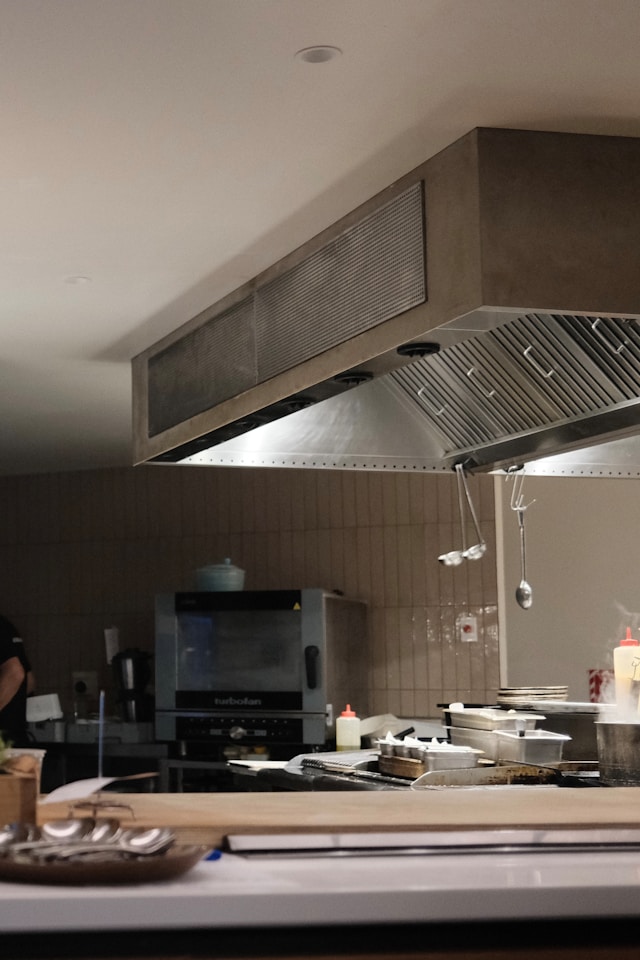
Kitchen Downtime Costs: commercialkitchenexhaust.sg
Kitchen downtime is one of the fastest ways for a food business to lose money, disrupt service, and create operational stress. For restaurant owners, F&B operators, and facility managers in Singapore, commercialkitchenexhaust.sg belongs in the wider conversation about why downtime happens and how better maintenance planning can reduce it. A commercial kitchen does not need to suffer a major breakdown to feel the impact. Even a few hours of disrupted ventilation, equipment failure, or compliance-related stoppage can affect revenue, staffing, customer experience, and long-term operating cost.
This article explains how kitchen downtime affects business performance, why exhaust system neglect is often part of the problem, and how smarter maintenance planning supports more stable operations.
Why kitchen downtime is so expensive for F&B businesses
A commercial kitchen runs on timing. Prep, cooking, service flow, cleaning, and turnover all depend on systems working as expected. When the kitchen cannot operate normally, the business feels the impact right away.
Downtime is expensive because it affects more than one area at a time. It hits sales, staffing efficiency, customer satisfaction, and maintenance budgets all at once. In high-rent, high-volume environments like Singapore, even short disruption can create real financial pressure.
Lost trading hours mean lost revenue
The most obvious cost is lost sales. If the kitchen cannot operate, the business may need to delay opening, stop service, reduce menu output, or close temporarily. That means tables go unserved, delivery orders are missed, and revenue disappears while fixed costs continue.
For many F&B operators, this is the hardest part. Rent, payroll, utilities, and supplier obligations do not stop because the kitchen has a problem. But income does.
Small disruptions can become bigger losses
Not every downtime event means a full-day closure. Sometimes the kitchen stays open but runs below capacity. That can still be costly.
Examples include:
- Slower prep because ventilation is weak
- Reduced menu availability due to equipment strain
- Delayed service during peak periods
- Fewer orders accepted from delivery platforms
- Staff needing to work around unsafe or uncomfortable conditions
These losses are harder to track than a full closure, but they still reduce profitability.
How downtime affects customer service and brand perception
Kitchen downtime does not stay hidden in the back of house. Customers often feel the impact quickly, even if they do not know the exact cause.
Late food, menu limitations, canceled reservations, smoky dining conditions, or sudden closure all affect how the business is perceived. In a competitive F&B market, those experiences matter.
Service inconsistency damages customer trust
Customers expect consistency. If a restaurant suddenly delays service, changes menu availability without warning, or closes unexpectedly, trust drops. A single poor experience may not destroy the brand, but repeated disruption creates doubt.
That is especially risky for restaurants that depend on repeat traffic, strong reviews, and word-of-mouth reputation.
Delivery and platform performance can suffer
For outlets that depend on delivery or takeaway volume, downtime can affect digital performance too. Missed orders, long prep times, or sudden unavailability can hurt platform ratings and customer confidence.
This means the cost of downtime is not only what happens in the moment. It can also affect future demand.
Why staffing costs rise during kitchen downtime
Downtime is often treated as a technical or maintenance issue, but it also becomes a staffing issue very quickly. A kitchen problem changes how people work, how productive they can be, and whether labor hours are being used effectively.
commercialkitchenexhaust.sg and the staffing impact of downtime
A practical reason to look at commercialkitchenexhaust.sg as part of maintenance planning is that kitchen reliability affects labor efficiency. If the kitchen is unstable, staff productivity becomes unstable too.
Payroll continues even when output drops
If a kitchen is partially or fully down, staff may still be on shift while service output falls. That creates a cost imbalance. The business is paying for labor, but the kitchen is not producing at the level needed to justify it.
In a lean-margin business, that matters immediately.
Teams become less efficient under poor kitchen conditions
When ventilation is weak, heat rises, smoke lingers, and the kitchen becomes harder to work in. Staff may slow down, fatigue may increase faster, and service coordination becomes more difficult.
This kind of disruption does not always show up as a dramatic failure, but it weakens daily performance.
Last-minute schedule changes create extra pressure
If downtime leads to sudden maintenance work or temporary closure, managers may need to adjust shifts, reduce hours, or reorganize labor at short notice. That adds administrative strain and can affect team morale as well.
Stable kitchens support stable staffing. Unstable kitchens usually do the opposite.
How downtime increases maintenance and repair costs
One of the biggest mistakes operators make is assuming delayed maintenance saves money. In many cases, it does the reverse. A system that is not maintained properly often becomes more expensive over time.
Minor issues become major ones. Preventable cleaning becomes reactive repair. Scheduled servicing becomes urgent intervention.
Reactive fixes usually cost more than planned maintenance
When a kitchen problem becomes urgent, the business loses flexibility. It may need emergency contractor support, off-schedule repairs, rush replacement parts, or immediate shutdown time.
Planned maintenance is usually easier to budget and easier to schedule. Emergency repair is often more disruptive and more expensive.
Neglect creates wider equipment strain
Kitchen systems work together. If one part is neglected, pressure can spread to other areas. Poor exhaust performance, for example, can affect heat levels, equipment efficiency, and general kitchen conditions.
That means one neglected maintenance item may lead to several related costs later.
Why compliance risk grows during downtime events
Downtime is not only about operations. It can also create compliance concerns. In F&B environments, maintenance problems that affect cleanliness, ventilation, or safety may raise the risk of inspection issues or operating pressure.
commercialkitchenexhaust.sg and compliance-aware maintenance planning
A useful role for commercialkitchenexhaust.sg is in helping operators think about downtime not just as lost service, but as a compliance exposure. Maintenance planning supports both operational continuity and safer regulatory positioning.
Poor conditions can attract unwanted attention
If a kitchen is running with heavy grease buildup, poor airflow, excessive smoke, or visibly stressed equipment, the operation may fall below the standard expected for a well-managed commercial kitchen.
This increases pressure during inspections and makes the business more vulnerable to further disruption.
Compliance failures can extend downtime
If maintenance neglect contributes to a more serious problem, the resulting downtime may last longer. Instead of one short service interruption, the business may face extended closure, corrective work, and added operational cost before normal trading can resume.
That is why preventive maintenance supports more than uptime. It supports business continuity.
Why exhaust system neglect often contributes to downtime
The exhaust system is one of the most important but most overlooked parts of a commercial kitchen. It affects airflow, heat removal, grease control, and overall kitchen conditions every day.
When it is neglected, the effect is often gradual at first. But over time, that neglect can play a major role in downtime.
commercialkitchenexhaust.sg and the link between exhaust neglect and downtime
The reason commercialkitchenexhaust.sg matters here is simple: exhaust system condition often sits behind broader kitchen performance issues. Operators may notice heat, smoke, odors, or slower service before they realize the exhaust system is part of the cause.
Grease buildup reduces system efficiency
Grease collects inside hoods, filters, ducts, and fans over time. If it is not removed, airflow weakens and the system becomes less effective.
That creates a kitchen environment that is harder to manage, especially during peak service.
Weak extraction affects kitchen performance
A poorly maintained exhaust system can lead to:
- Higher kitchen temperatures
- More visible smoke
- Stronger grease odors
- Poorer staff comfort
- Reduced ventilation efficiency
These problems can slow operations and increase strain across the kitchen.
Neglect increases fire risk
Grease buildup is also a fire hazard. If the exhaust system is not cleaned properly, accumulated grease can become dangerous under high heat conditions.
This is one of the clearest examples of how poor maintenance can turn into major downtime risk.
How smarter maintenance planning reduces downtime
The strongest way to reduce downtime is not to wait for things to go wrong. It is to plan maintenance as part of normal business management.
That means treating the kitchen as an operating asset that needs scheduled attention, not only emergency fixes.
commercialkitchenexhaust.sg in smarter maintenance planning
A resource like commercialkitchenexhaust.sg fits into smarter maintenance planning by helping restaurant owners and facility managers pay closer attention to the systems that influence uptime, safety, and service quality.
Scheduled maintenance creates better control
When cleaning and servicing happen on schedule, operators can choose better time windows, reduce surprises, and avoid unnecessary disruption during peak business periods.
That control is valuable in fast-paced F&B environments.
Preventive work protects long-term cost
Regular maintenance often costs less than reactive intervention because it reduces the chance of major buildup, emergency failure, and urgent repair scheduling.
In simple terms, planned service usually protects margins better than delayed action.
Better records support better oversight
Maintenance logs, cleaning schedules, and service reports help managers stay organized and review whether systems are being cared for properly. They also make it easier to track recurring issues before they become larger problems.
What restaurant operators should review now
If you want to reduce downtime risk, start with a practical internal review. Do not wait for visible failure.
Look at:
- Current exhaust cleaning frequency
- Grease buildup risk based on cooking volume
- Past downtime events and their causes
- Ventilation performance during peak service
- Staff feedback about heat, smoke, or airflow
- Repair history and recurring maintenance issues
- Whether service records are current and organized
This kind of review often reveals risks earlier than expected.
Common mistakes that make downtime worse
Some downtime is unavoidable. But many cases become worse because of avoidable decisions.
Common mistakes include:
- Delaying exhaust cleaning too long
- Treating ventilation issues as minor discomfort only
- Waiting for performance problems before acting
- Focusing only on visible equipment
- Ignoring early warning signs like smoke or odor
- Failing to document maintenance properly
- Choosing reactive repair over preventive scheduling
These habits usually cost more in the long run.
Explore commercialkitchenexhaust.sg for practical maintenance insights
Kitchen downtime costs more than many operators realize because it affects revenue, service quality, staffing efficiency, maintenance budgets, and compliance risk at the same time. In many cases, exhaust system neglect plays a larger role than expected by weakening airflow, increasing grease buildup, and raising the chance of operational disruption. For restaurant owners, F&B operators, and facility managers in Singapore, the smarter approach is to treat maintenance as a business protection strategy, not just a technical task.
If you want to reduce avoidable disruption and plan maintenance more effectively, explore commercialkitchenexhaust.sg for practical maintenance insights. Better kitchen uptime starts with better systems care.